Source Industrial PVC Conduit Adapter for Electronics, Lighting, and Wiring
Compare 30 Industrial PVC Conduit Adapter options from verified Chinese suppliers. Buyers can evaluate steel and PVC materials, IP ratings, and custom sizes for electronics, lighting, and wiring applications.
Key considerations
Products List
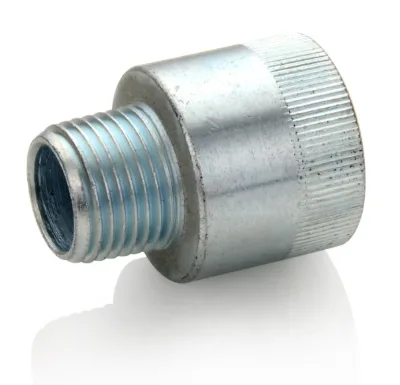


Electrical Conduit Fittings Conduit Connector PVC Conduit Plain Screwed Adaptor
$0.09 - $0.69
MOQ: 5000 Pieces


PVC Conduit Pipe Fitting Corrugated Connector Plastic Flexible Pipe Adaptor
$0.03 - $0.50
MOQ: 5000 Pieces


PVC Electrical Products Wiring Cable Protector Conduit Pipe Accessories Fitting
$0.01 - $0.05
MOQ: 1000 Meters


Comprehensive Sourcing Guide
Strategic Sourcing Guide for Industrial PVC Conduit Adapters
Understanding Product Variants and Material Specifications
When initiating a procurement strategy for industrial PVC conduit adapters, the first critical step is distinguishing between the diverse material compositions and structural designs available in the global market. The term "Industrial PVC Conduit Adapter" often encompasses a broad spectrum of products, ranging from rigid steel fittings designed for heavy-duty environments to flexible PVC solutions intended for lighter electrical routing. Based on current market observations, buyers must carefully evaluate whether the specific application requires a rigid connection or a flexible transition.
The market data indicates a significant divergence in material specifications. While the core keyword focuses on PVC, many listings feature adapters constructed from Carbon Steel, Stainless Steel, or Galvanized Steel. For instance, specific product entries highlight "Steel" as the primary material with a "Zinc Plated" or "Galvanised" finish, suggesting these are intended for environments where mechanical strength and corrosion resistance are paramount. Conversely, other entries explicitly list "PVC" as the material, often paired with attributes like "Low Smoke Main" or "PU/PE" compatibility, which are crucial for applications involving fire safety or specific chemical resistances.
Buyers must verify the exact material composition before placing an order. A product labeled as a "Rigid Conduit Adapter" might be made of steel, while another labeled similarly could be a "PVC Conduit Tube and Fittings." The distinction is vital because the thermal expansion rates, chemical resistance profiles, and mechanical load-bearing capacities differ significantly between steel and PVC. Furthermore, the "Finish" attribute, such as "Zinc Plated" or "Galvanised," is a critical indicator of the product's intended lifespan in corrosive environments. If the application involves outdoor exposure or chemical processing, a steel adapter with a robust galvanised finish may be superior to a standard PVC unit, despite the latter being the primary search term.
Technical Dimensions and Compatibility Standards
Precision in technical specifications is non-negotiable when sourcing industrial conduit adapters. The compatibility of an adapter with existing conduit systems depends heavily on pipe size, connection type, and shape. Market observations reveal a wide array of pipe size specifications, ranging from small diameters like 1/4 inch and 3/8 inch to larger industrial sizes such as 3 inches and 4 inches. Some listings provide metric equivalents, such as 12mm to 100mm or 16mm to 32mm, indicating a global supply chain that serves both imperial and metric standards.
The connection type is another pivotal technical factor. Buyers should look for explicit descriptions of the connection mechanism, such as "Direct Connection," "Male" threads, or specific thread standards. The shape of the adapter, whether "Equal" or reducing, determines how it fits into the conduit run. An "Equal" shape adapter connects two pipes of the same diameter, while reducing adapters bridge different sizes. Additionally, the "Head Code" attribute, such as "Hexagon," is relevant for installation tools; a hexagonal head allows for torque application with standard wrenches, which is essential for securing tight, vibration-resistant connections in industrial settings.
It is also necessary to cross-reference the "Model Number" and "Product Model" fields, as these often dictate the specific compatibility matrix. For example, a model number like "REA" or "Ent" may correspond to a specific series of rigid steel adapters, while "56778" or "8099" might refer to PVC-specific fittings. The "Standard" attribute, which sometimes lists dimensions like "1/2''-6''" or "3/8" - 4"," provides a range of compatible conduit sizes. However, buyers must verify that the specific unit they are purchasing falls within the required range for their project, as a single listing may cover multiple sizes with varying internal configurations.
Compliance, Certification, and Safety Ratings
In the industrial sector, compliance with safety standards and certifications is a primary driver of procurement decisions. While the core keyword focuses on PVC, the market data shows that many adapters carry certifications such as "CE" and "ISO," which are essential for European and international market access. The presence of a "CE" mark indicates conformity with health, safety, and environmental protection standards for products sold within the European Economic Area. Similarly, "ISO" certification suggests that the manufacturer adheres to international quality management standards, which can be a proxy for consistent production quality.
Fire resistance is another critical compliance area. Some product listings explicitly mention "Fire Resistance" as a feature, alongside "Impact Resistance" and "Sunlight Resistance." These attributes are particularly important for indoor industrial applications where fire codes are strict. For PVC conduits, the "Low Smoke Main" attribute is a significant safety feature, indicating that the material emits less toxic smoke in the event of a fire. Buyers should verify if the specific adapter meets local fire codes, as not all PVC products are rated for high-temperature or high-fire-risk environments.
The "IP Rating" (Ingress Protection) is another vital specification to scrutinize. While some listings mention "IP55," others contain ambiguous entries like "IPMaterial:Carbon Steel" or "IPMaterial:PVC," which require clarification. An IP55 rating, for instance, indicates protection against dust and water jets, making it suitable for outdoor or washdown areas. However, if the rating is unclear or missing, the buyer must request specific test data to confirm the adapter's ability to withstand the environmental conditions of the installation site. Relying on assumptions about IP ratings without verified data can lead to premature failure of the conduit system.
Cost Drivers and Procurement Economics
The cost of industrial PVC conduit adapters is influenced by a complex interplay of material costs, manufacturing processes, and order volume. The observed price range in the market spans from $0.01 to $20 per unit, a wide variance that reflects differences in material quality, size, and production complexity. Steel adapters, particularly those with galvanised or zinc-plated finishes, generally command higher prices than standard PVC units due to the raw material costs and the additional processing required for surface treatment.
Minimum Order Quantity (MOQ) is a significant factor in total procurement costs. The market data shows an MOQ range from as low as 3 units to as high as 10,000 units. For small-scale projects or prototyping, buyers may find suppliers with low MOQs, but these often come with a higher per-unit cost. Conversely, large-scale industrial projects can leverage high-volume orders to reduce the unit price, but they must be prepared to commit to larger quantities. Some listings specify an MOQ of 500 pieces, which serves as a threshold for bulk pricing tiers.
Customization is another cost driver. The availability of "Customization" options allows buyers to tailor adapters to specific project needs, such as unique thread sizes or specialized finishes. However, custom orders typically incur additional tooling costs and longer lead times. Buyers should weigh the benefits of a custom solution against the standard inventory options. Additionally, packaging requirements, such as "Carton," "Paper Carton," or "Rolls," can impact shipping costs and handling efficiency. Bulk packaging in rolls or large cartons may reduce per-unit shipping costs but requires adequate storage space.
Typical Applications and Usage Scenarios
Industrial PVC conduit adapters serve a variety of applications across different sectors, from electronics manufacturing to general electrical infrastructure. The "Application" attribute in product listings often specifies the intended use, such as "Waterproof," "Electronics," or general "Electric Wire" routing. Waterproof applications require adapters with high IP ratings and robust sealing mechanisms to prevent moisture ingress, which is critical in outdoor or wet environments.
In the electronics sector, adapters are used to protect sensitive wiring in control panels and machinery. The "Usage" attribute lists specific cable types, including "HDMI Cable," "DVI Line," "Electric Wire," "Earphone Line," and "Optical Cable." This indicates that the adapters are versatile and can accommodate various cable diameters and types. For lighting decoration and optical cable installations, the "Color" of the adapter, such as "White or Black," may be a aesthetic requirement to match the surrounding infrastructure.
The "Type" of conduit, whether "Rigid steel," "IMC conduit," or "Flexible," dictates the specific adapter needed. Rigid steel adapters are used in high-vibration or high-impact areas, while flexible adapters are suitable for applications requiring movement or vibration dampening. Buyers must match the adapter type to the conduit system in use to ensure a secure and code-compliant installation. The "Selling Units" attribute, often listed as "Single item," suggests that these products are typically sold individually, allowing for precise quantity planning without the need for bulk packaging.
Supplier Evaluation and Quality Assurance
Selecting the right supplier is as important as selecting the right product. The market data indicates that suppliers are located in various regions, with "Zhejiang, China" and "Shanghai, China" being prominent origins. While these locations are known for manufacturing capabilities, buyers should not assume uniform quality across all suppliers from these regions. The "Brand Name" field, such as "PRODUIT/CCPI," can be a useful indicator of established manufacturers, but it is essential to verify the brand's reputation and track record independently.
Quality assurance should be a central part of the supplier evaluation process. Buyers should request documentation regarding the manufacturing process, such as "Casting" techniques or "Surface Treatment" methods. The "Technics" attribute, for example, "Casting," implies a specific manufacturing method that affects the structural integrity of the adapter. Suppliers who can provide detailed process descriptions and quality control protocols are generally more reliable.
Verification of certifications is also critical. While "CE" and "ISO" are listed in the data, buyers should request valid certificates for the specific batch of products being ordered. The presence of a certification on a product listing does not guarantee that every unit in the shipment meets the standard. Additionally, buyers should inquire about the supplier's ability to handle "Customization" requests and their track record for meeting delivery timelines. The "Lead Time" and "MOQ" policies should be clearly defined in the contract to avoid delays and cost overruns.
Long-Term Procurement and Lifecycle Management
Sourcing industrial PVC conduit adapters is not just a one-time transaction but part of a long-term supply chain strategy. Buyers should consider the lifecycle of the product, including maintenance, replacement, and compatibility with future upgrades. The "Feature" attributes, such as "Sunlight Risist" and "Impact Resistance," are indicators of the product's durability and expected lifespan. Products with these features are less likely to require frequent replacement, reducing long-term maintenance costs.
Inventory management is another consideration. The "Package" type, whether "Carton" or "Rolls," affects storage requirements and ease of handling. Buyers should plan their warehouse space and logistics to accommodate the packaging format of the chosen adapters. Furthermore, the "Customization" availability allows for future adaptability. If a project evolves or expands, the ability to source custom adapters from the same supplier can streamline the procurement process and ensure consistency across the installation.
Finally, buyers should establish a relationship with suppliers that offers flexibility and support. A supplier that provides technical assistance, warranty coverage, and responsive customer service adds significant value to the procurement process. By focusing on long-term partnerships rather than just the lowest initial price, buyers can ensure a reliable supply of high-quality conduit adapters that meet their industrial needs for years to come.
FAQs
What materials are used for industrial conduit adapters?
Industrial conduit adapters are commonly made from steel, stainless steel, or PVC. Steel variants often feature zinc-plated or galvanised finishes for corrosion resistance, while PVC options may include low smoke properties for fire safety applications.
Which certifications are available for these conduit adapters?
Available certifications include CE and ISO marks, indicating compliance with safety and quality standards. Buyers should verify specific batch certificates as product listings may display these marks generally without guaranteeing every unit meets the standard.
Can I find adapters with specific pipe size specifications?
Yes, adapters are available in various sizes ranging from 1/4 inch to 4 inches or 12mm to 100mm. Specific listings may cover ranges like 1/2 inch to 6 inches, so verify the exact model number matches your required conduit diameter.
How do I determine the correct IP rating for outdoor use?
Some adapters carry an IP55 rating, offering protection against dust and water jets suitable for outdoor environments. Other listings may have ambiguous ratings, so request specific test data to confirm ingress protection levels before purchasing for wet locations.
What is the typical minimum order quantity for these products?
Minimum order quantities vary significantly, ranging from as low as 3 units to as high as 10,000 units. Some suppliers specify an MOQ of 500 pieces, so check individual listings to align with your project volume and budget constraints.
Are customization options available for these conduit adapters?
Customization is available for specific project needs, such as unique thread sizes or specialized finishes. However, custom orders typically incur additional tooling costs and longer lead times compared to standard inventory items.
Where are these industrial conduit adapters typically manufactured?
Products are primarily manufactured in China, with specific origins noted in Zhejiang and Shanghai. While these regions are known for manufacturing capabilities, buyers should verify the specific supplier location and quality assurance protocols for each batch.